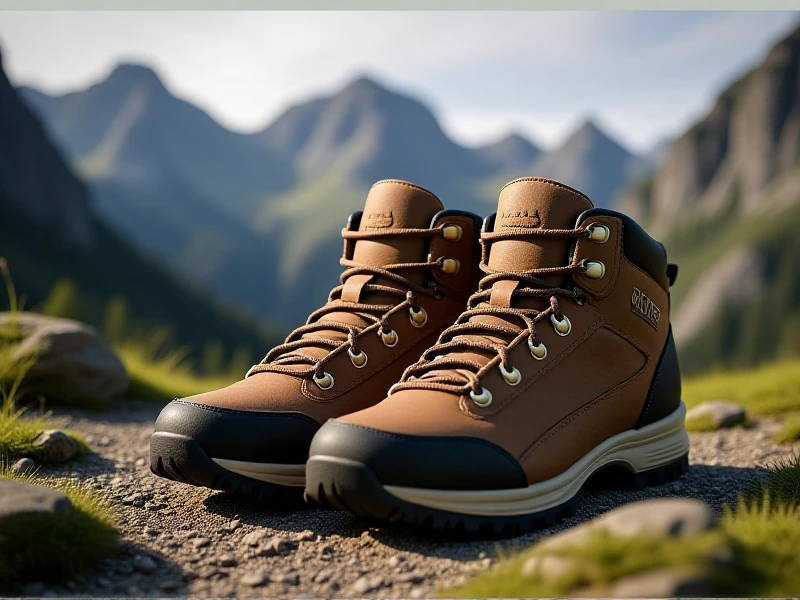
Your Ultimate Guide to Choosing the Best Hiking Shoes
Hiking adventures demand reliable footwear. Choosing the perfect hiking shoes impacts comfort, safety, and performance on the trail. Whether you're tackling rugged mountains or forest paths, understanding key features ensures you conquer terrain with confidence.
Why Proper Hiking Shoes Matter
Investing in specialized hiking shoes prevents foot fatigue, blisters, and injuries. Unlike regular sneakers, they offer enhanced traction, ankle support, and protection from rocks or roots. Quality hiking shoes reduce slips on wet surfaces and cushion feet during long miles, transforming challenging hikes into enjoyable journeys.
Key Features to Consider
- Terrain-Specific Soles: Deeper lugs provide grip on muddy trails, while sticky rubber excels on rocky surfaces.
- Waterproofing: Gore-Tex or similar membranes keep feet dry in wet conditions. For breathability in dry climates, consider non-waterproof mesh.
- Ankle Support: Mid-cut designs prevent ankle rolls for uneven trails. Low-cut options offer agility on smoother paths.
- Cushioning & Fit: Prioritize impact absorption and heel lockdown. Always try shoes with hiking socks and test incline/decline surfaces.
Types of Hiking Shoes
- Trail Runners: Lightweight with flexible soles for fast-paced hikes.
- Day Hikers: Durable midsoles for moderate trails, ideal for 5-15 mile excursions.
- Backpacking Boots: Sturdy support for heavy loads and technical terrain.
Maintenance Tips
Extend shoe lifespan by cleaning mud after hikes. Use specialized cleaners for membranes and air-dry away from direct heat. Rotate between pairs to decompress midsoles.
When to Replace Them
Worn treads, compressed cushioning, or cracked soles compromise safety. Most hiking shoes last 500-600 miles—track usage to anticipate replacements.
Your feet deserve gear that matches your ambition. Investing in tailored hiking shoes unlocks trails with reliability and comfort. Ready for your next adventure? Choose wisely, tread boldly.
( 398)